Material close-up · AI illustration
2A crushed limestone
Common uses:
Illustrative only. Confirm your supplier’s color, grading and project suitability.

Estimate limestone, sand and gravel in tons or cubic yards.
Free results, CSV downloads and printing. Calculations run on your device. Saving to an account is optional.
Open the link in this browser to finish signing in. No password needed.
No account needed. Save on this device, or sign in to use your account.
Device projects stay in this browser. Account projects are private to you. Names and measurements sync only when you choose Save to my account. Choose Save again to keep later changes.
—
US tons · 2,000 lb each—
Cubic yards · yd³See both quantities from the same measurements.
Material close-up · AI illustration
Common uses:
Illustrative only. Confirm your supplier’s color, grading and project suitability.
Enter your project dimensions to begin.
A closer look
Compare textures and common uses, then choose a material to estimate.
AI-generated illustrations. Colors and grading vary by supplier; images are not a shared size scale. Common uses are examples, not installation specifications. Confirm the material against your project requirements.
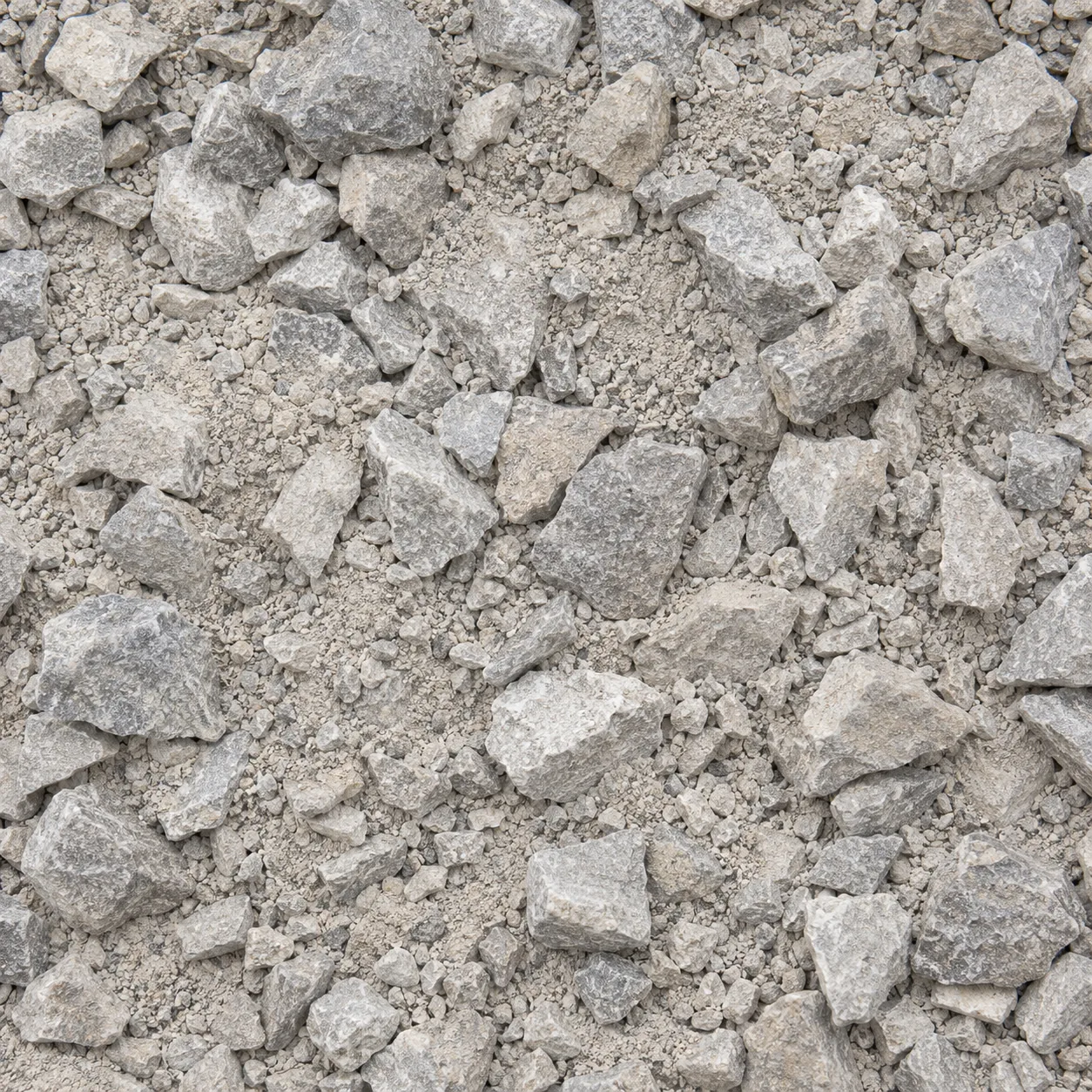
Angular stone mixed with smaller chips and fines that fill the gaps.
Common uses: Compacted base courses for driveways, patios and paving.
Material reference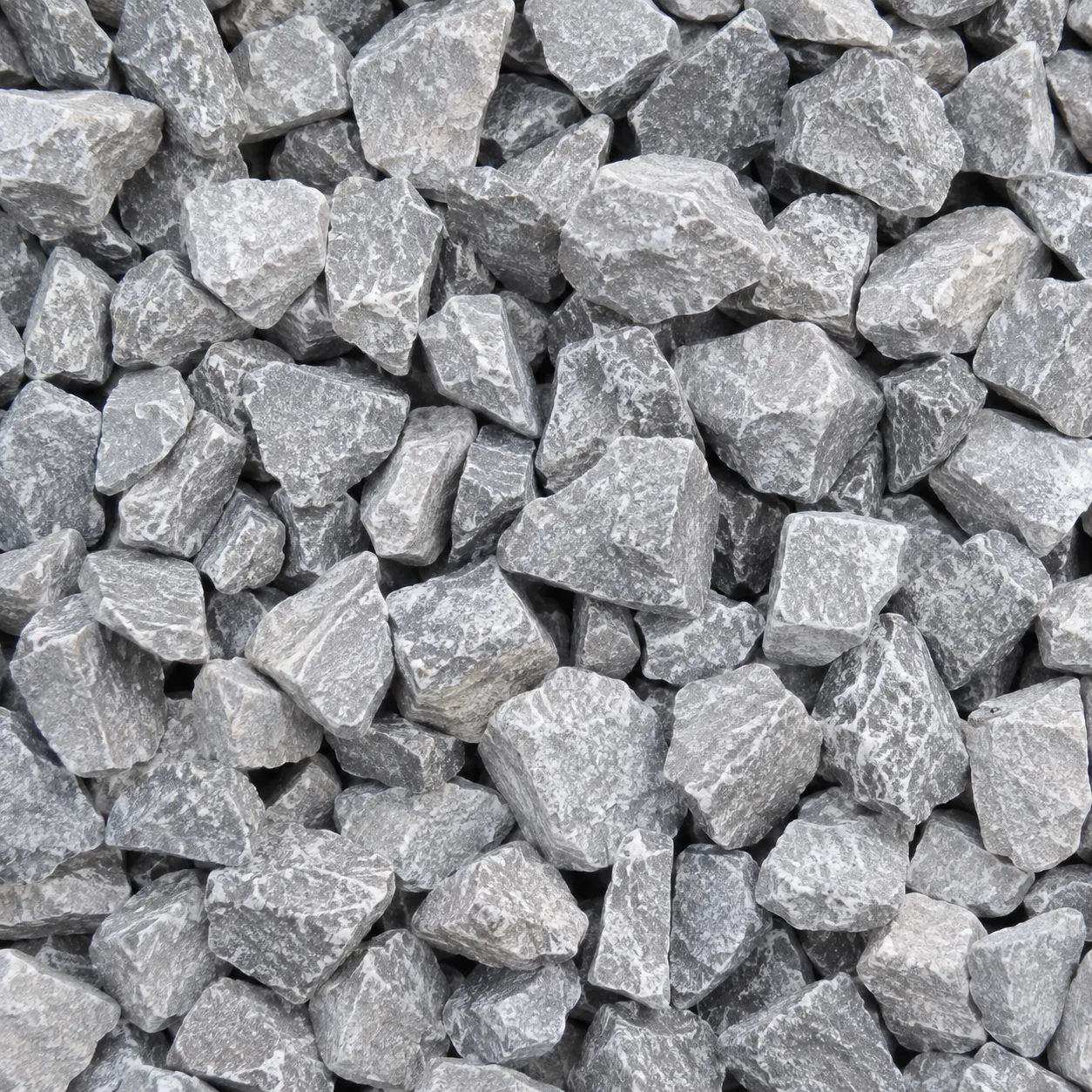
Clean, angular limestone with open gaps and little fine material.
Common uses: Drainage behind retaining walls, French drains and aggregate beneath concrete slabs, where specified.
Material reference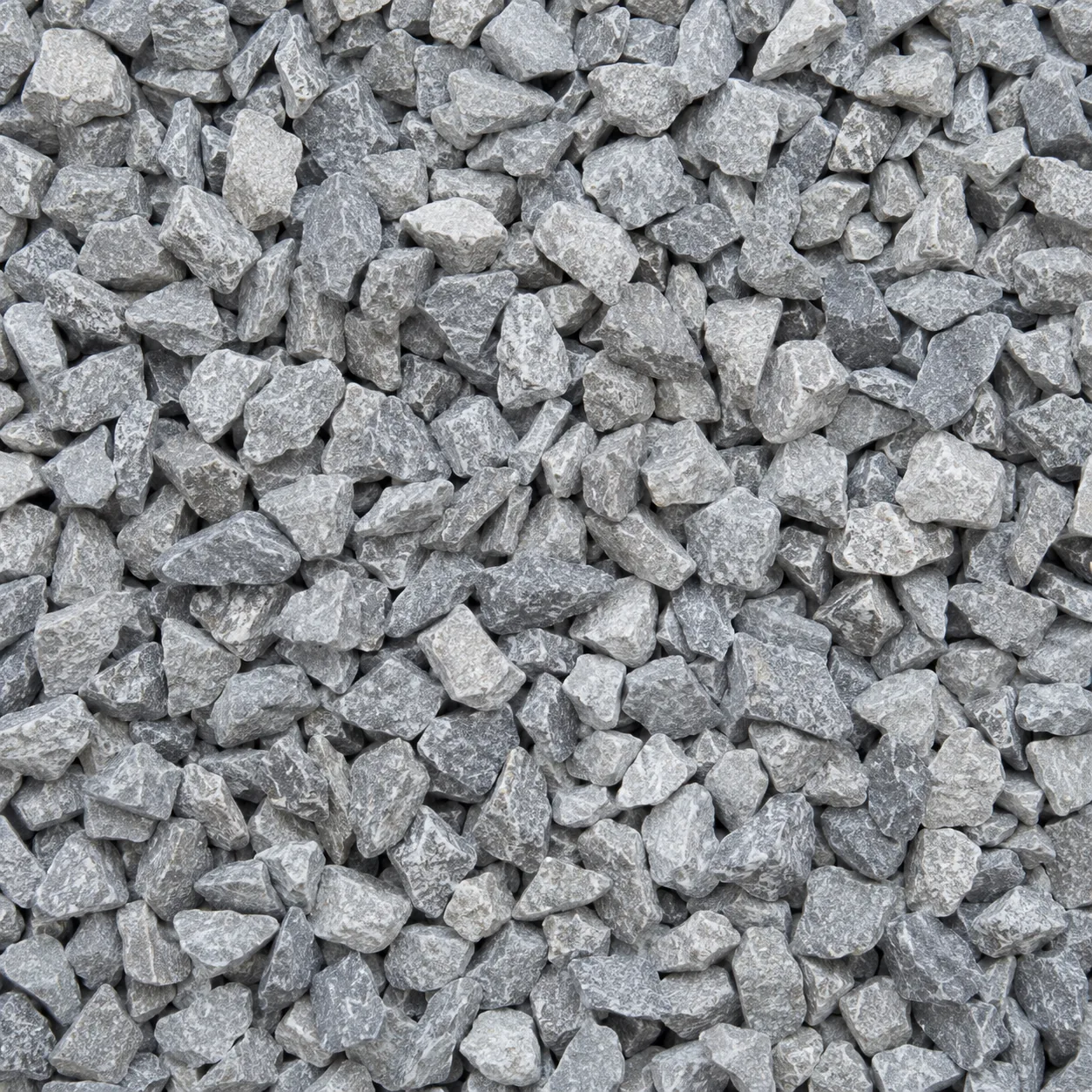
Smaller clean limestone chips; finer than the larger 2B stone.
Common uses: Drainage and leveling layers, including specified permeable paving systems.
Material reference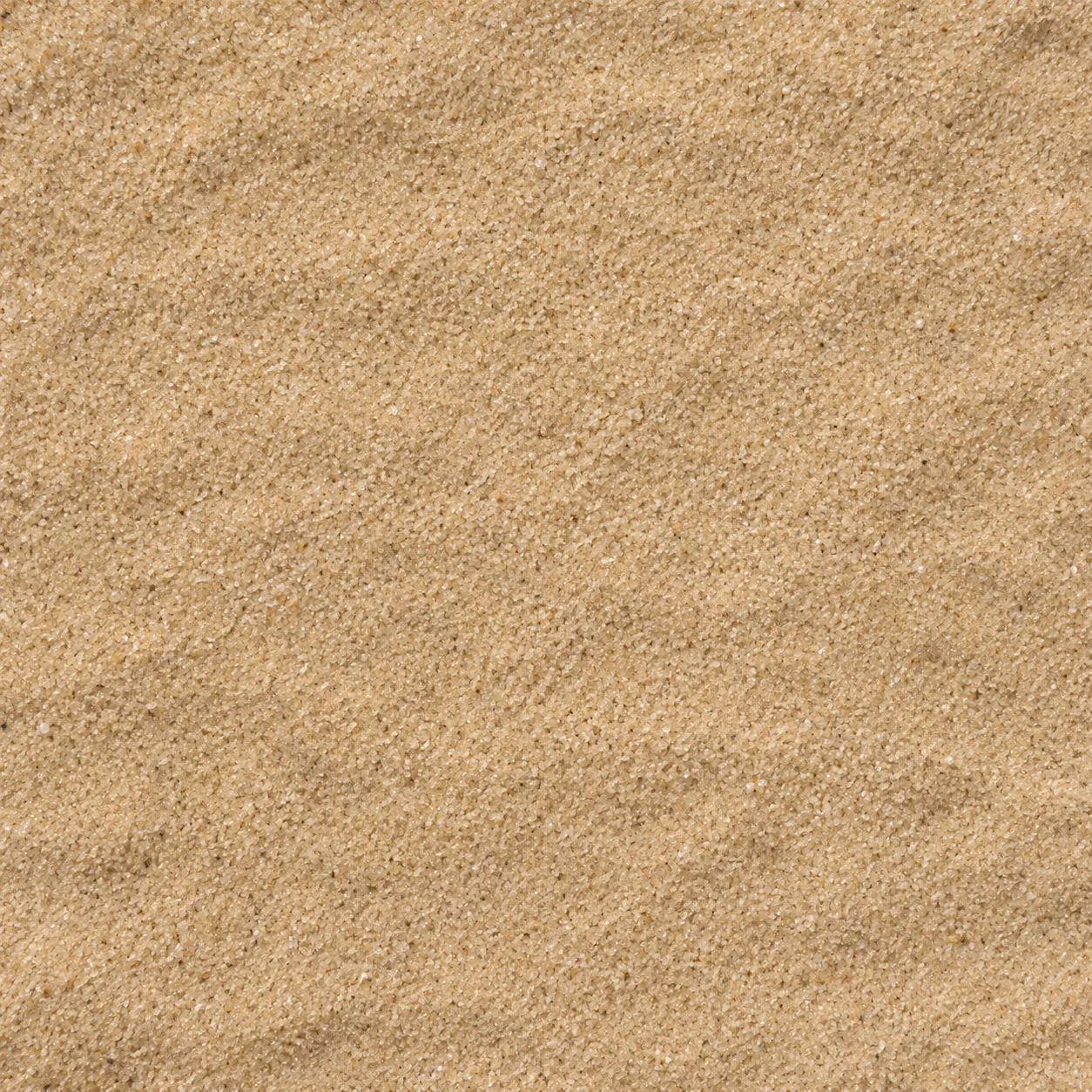
Fine, fairly uniform sand with a smoother texture than concrete sand.
Common uses: Mortar for brick, block and stonework; suitable specified stucco mixes.
Material reference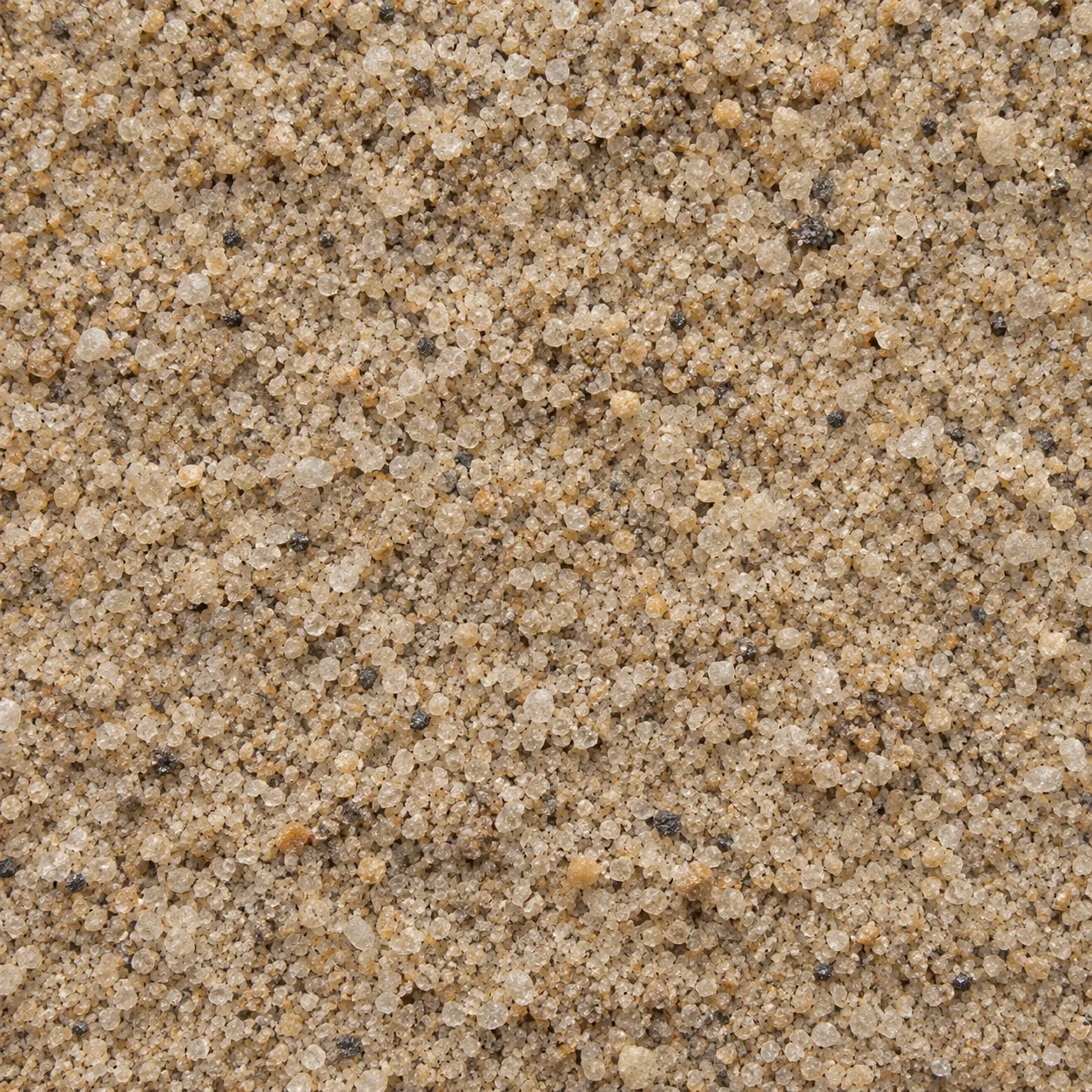
Coarser, gritty sand with a visible mix of grain sizes.
Common uses: Fine aggregate in ready-mix concrete and asphalt mixes when the product meets the required specification.
Material reference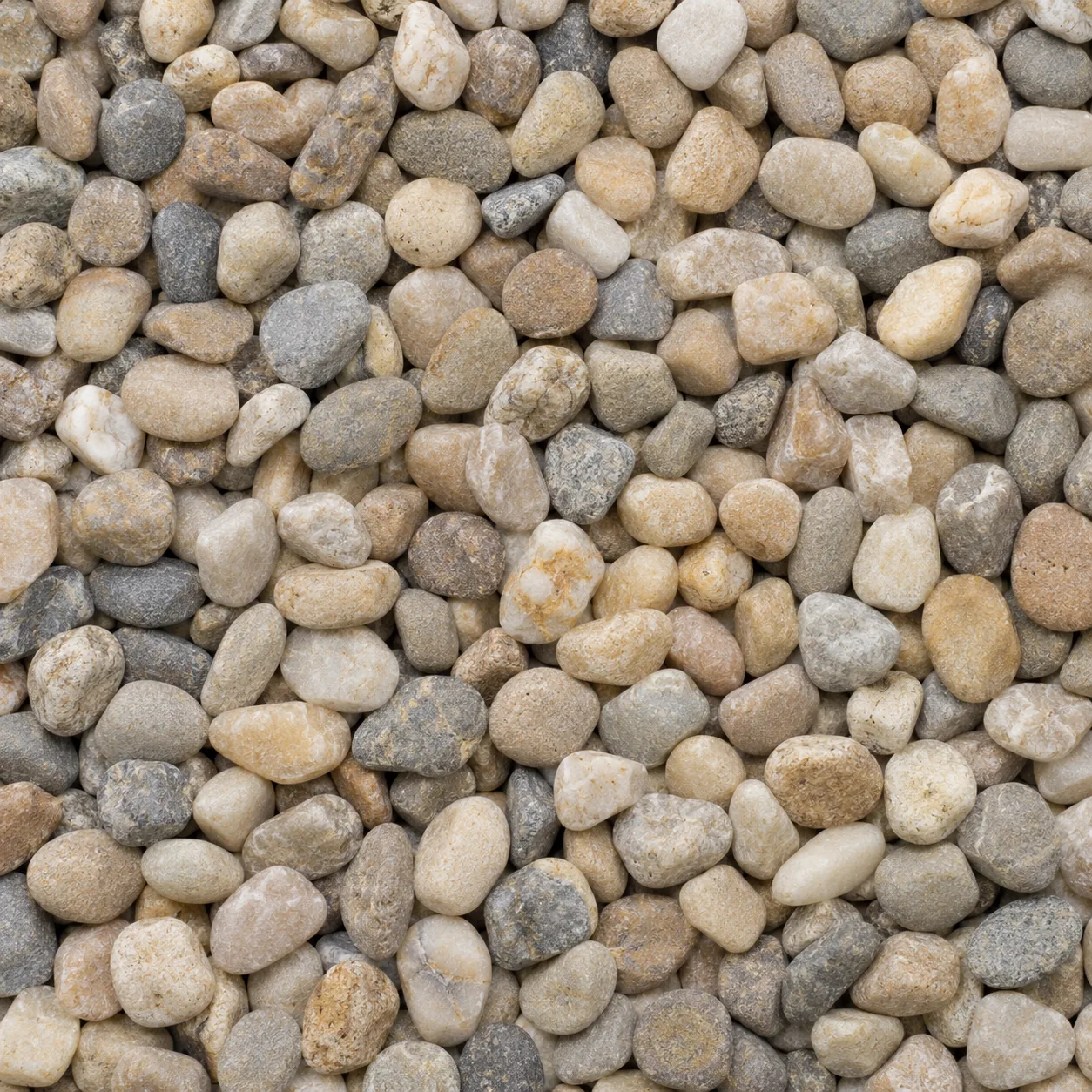
Small, naturally rounded pebbles in mixed earth tones.
Common uses: Walkways, decorative groundcover and exposed-aggregate concrete where specified.
Material reference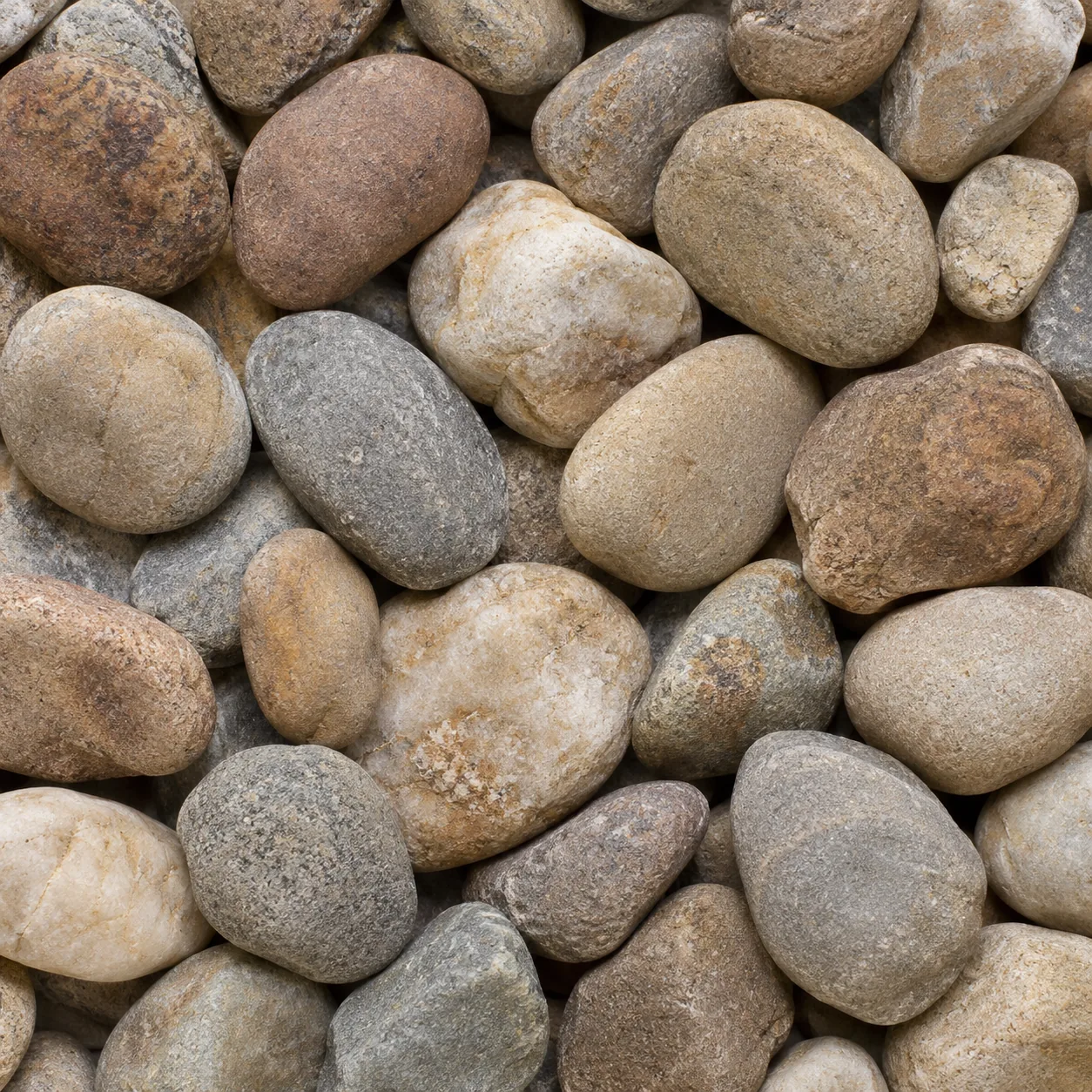
Larger rounded stones, often with varied gray, tan and brown colors.
Common uses: Decorative landscape beds, groundcover and drainage features.
Material referenceContractor pack · grouped job tools · 100% free
Jump directly between the calculators and quote forms crews use together on patio, walkway, concrete, masonry, and retaining wall jobs.
Volume = measured area × depth; the entered allowance is added once. Weight = ordered volume × entered density, after exact unit conversion. A US short ton is 2,000 lb; a metric tonne is 1,000 kg. No standard rock density is silently substituted. This estimates material quantities and does not specify base design, compaction or delivery truck loading.
Decimals and unit conversions use rational arithmetic before count rounding. Circle results use an approximation to pi. Displayed quantities use up to 12 significant digits; CSV numerator/denominator columns preserve calculation precision, with circle approximations marked. Import those columns as text if your spreadsheet rounds long integers. Product yield, coverage and density are physical estimates, even when the arithmetic is exact.
Dimensions: positive decimals up to 100,000 chosen units; rates/yields/densities up to 1,000,000; allowances 0–100%. At most six decimal places, no commas or exponents. Counts are bounded at one trillion. Geometry does not validate design, product suitability or code compliance. Confirm actual materials and orders with the project professional or supplier.
NIST unit definitions. One international foot is 0.3048 m; one pound is 0.45359237 kg.
Enter the area dimensions and loose layer depth to get cubic yards. For tons, use the loose bulk density from your supplier. Around Harrisburg, Pennsylvania, yards may list stone as 2A modified, 2B clean or #57. Confirm the exact grade with your yard. Use a matching preset or choose Other material / my supplier’s density and enter the value the yard gave you.
A 10 by 2 foot bed at an entered loose depth of 2 inches needs about 0.12 cubic yards before any extra allowance. If your supplier gives a density of 1.4 US tons per cubic yard, that is about 0.17 US tons. Use the depth and density for the material you plan to buy.
Estimate paving units and base layers · Estimate concrete volume